Our History
Born of the freedom movement, built for the nation.
From a single intermediate college with forty students to a campus of twenty-five institutions — the story of Janata Shikshana Samiti is the story of education as service.
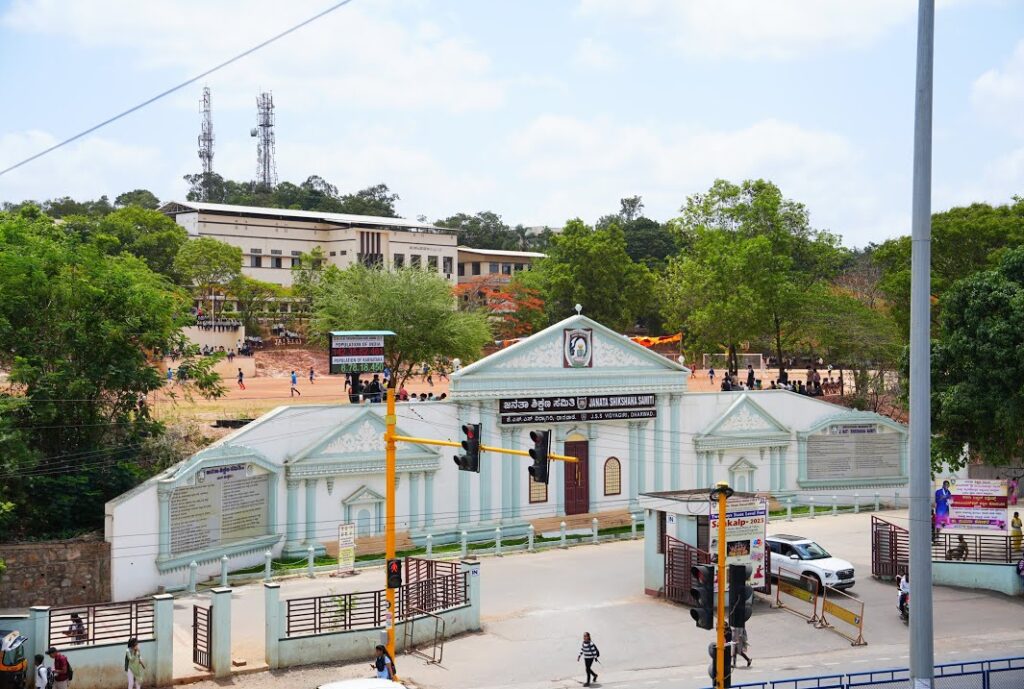
The year it began, on Vidyagiri hill, Dharwad
The Beginning
From forty students to twenty-two thousand — the belief never changed
In 1944, while India was still fighting for its independence, the veteran freedom fighter Sri R. S. Hukkerikar opened an intermediate college on the slopes of Vidyagiri with a strength of just forty students. His conviction was simple and uncompromising: education should carry real value and serve the genuine needs of the people it reaches.
The first principal was Dr. B. M. Sreekanthaiah, the celebrated litterateur honoured as “Kannadad Kanva.” Together they set a standard — learning rooted in character, culture and service — that still defines the institution today.
“Value and need-based education, for every deserving student.”
The science wing followed in 1949. In 1952 the organisation was formally constituted and given the name it carries today: Janata Shikshana Samiti.
A nation in the making
Why a freedom fighter built a college.
India had not yet won independence when JSS was founded. For Sri R. S. Hukkerikar, the freedom being fought for would mean little without citizens equipped to use it — and education was the most enduring form of nation-building he could offer.
That belief shaped everything that followed: institutions placed within reach of ordinary families, courses tuned to real livelihoods, and a campus that grew not for prestige but for need.
1944
Founded three years before independence
The people who began it
A founder and a first principal.
JSS was shaped by two figures at its origin — one who built the institution, and one who set its intellectual character.
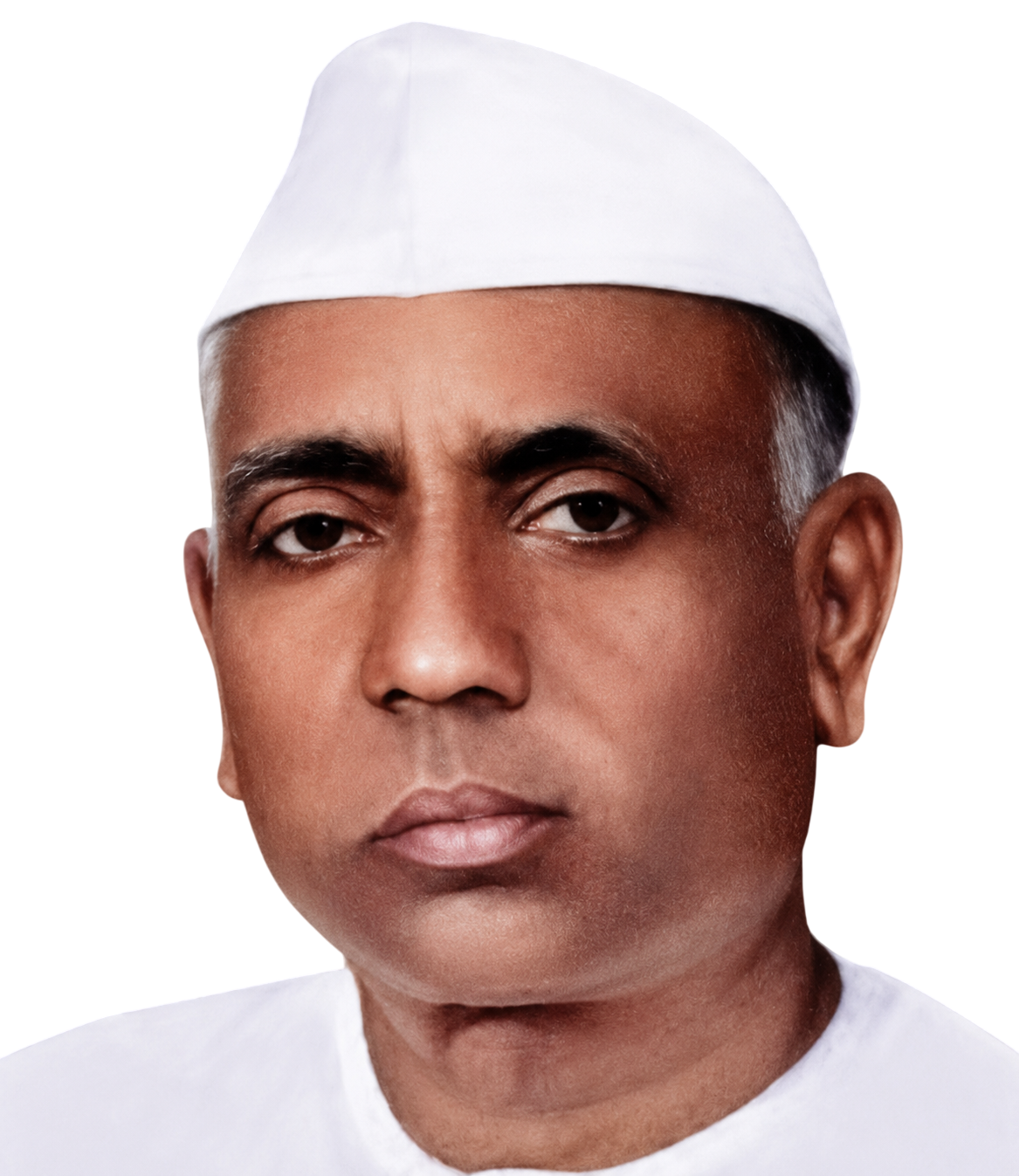
Late Sri R. S. Hukkerikar
Founder · Freedom fighter
A veteran of India’s freedom movement who founded JSS in 1944 and developed institutions of arts, commerce, science and technology in a region where few then existed.
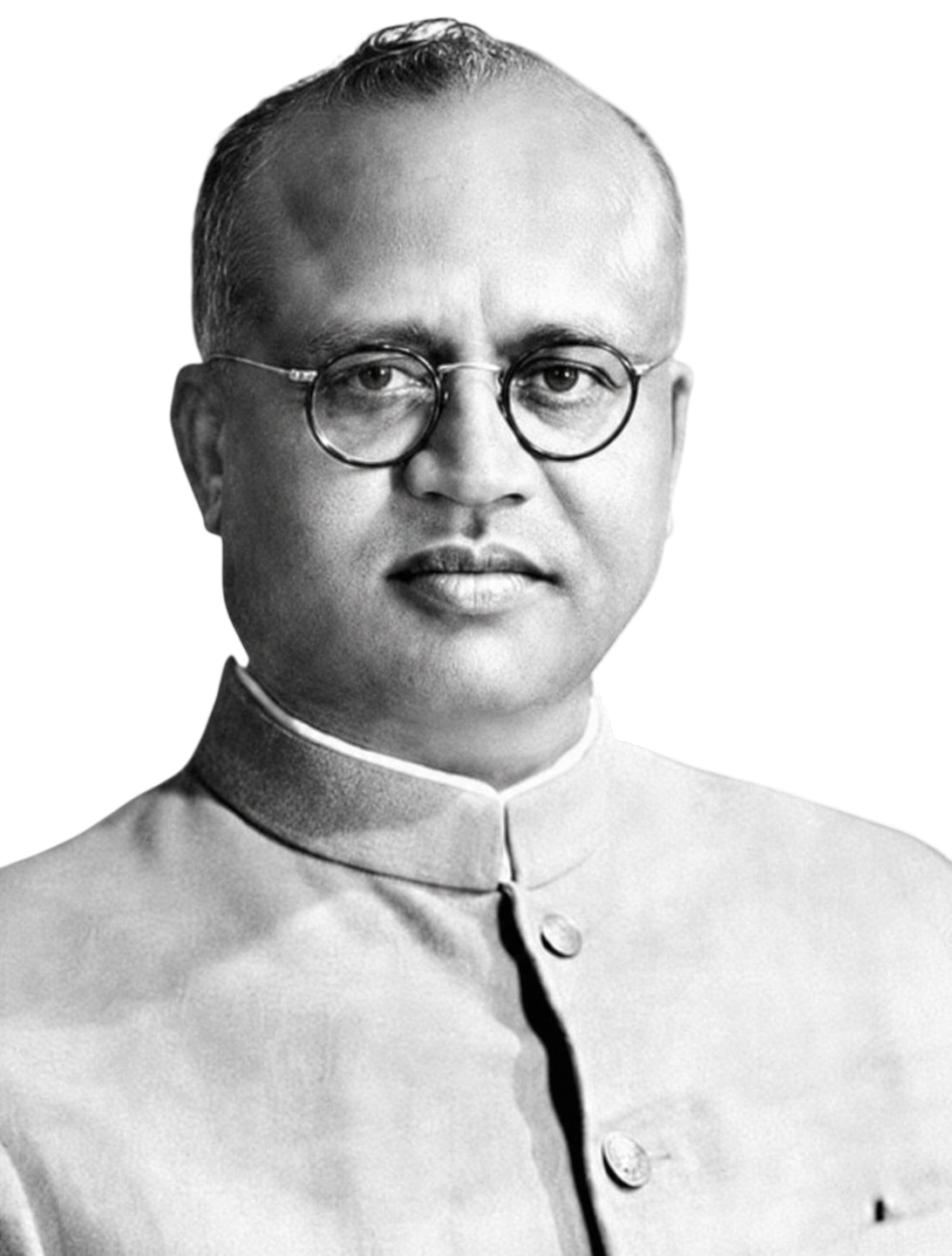
Dr. B. M. Sreekanthaiah
First Principal · “Kannadad Kanva”
A celebrated litterateur and the institution’s first principal, whose stature gave JSS an academic and cultural standing from its earliest years.
The turning point
1973: a stewardship that redefined JSS.
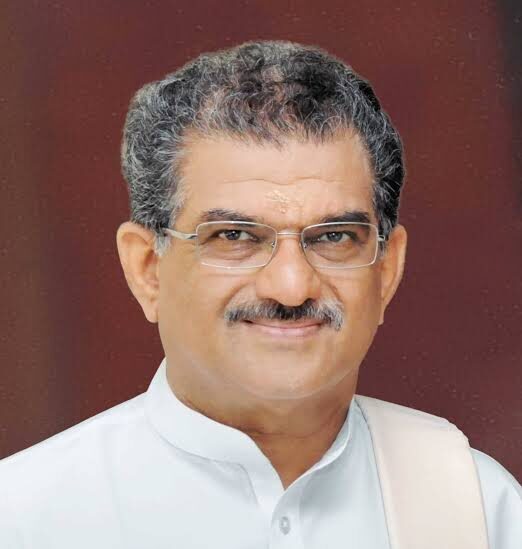
Facing financial strain, the management of Janata Shikshana Samiti was entrusted to Poojya Dr. D. Veerendra Heggade, Dharmadhikari of Shri Kshetra Dharmasthala, with the blessings of the Pejawar Math, Udupi.
Under this leadership the trust grew from a handful of schools into a comprehensive academic ecosystem — adding professional, technical and postgraduate institutions while holding to the founder’s principle of value-based, accessible education.
How the campus grew
One college became an ecosystem.
JSS expanded in deliberate layers, each widening who could be educated and to what level.
Fundation Stone Laid
The trust laid the foundation for its first campus, marking the beginning of a long-term vision for accessible education in the region.
Fundation Stone Laid
The trust laid the foundation for its first campus, marking the beginning of a long-term vision for accessible education in the region.
Fundation Stone Laid
The trust laid the foundation for its first campus, marking the beginning of a long-term vision for accessible education in the region.
First Batch Enrolled
Doors opened to the first cohort of students across pre-primary and primary sections, despite pandemic constraints.
New Science Block
A dedicated science and computing block was inaugurated, adding modern labs and a digital library.
New Science Block
A dedicated science and computing block was inaugurated, adding modern labs and a digital library.
NAAC Accreditation
The degree college wing received accreditation, recognising academic standards and infrastructure.
NAAC Accreditation
The degree college wing received accreditation, recognising academic standards and infrastructure.
1940s
Foundation
An intermediate arts college, with science added by 1949.
1950s–60s
Research & identity
The trust is named in 1952; IER and the Population Research Centre extend JSS into research.
1970s
PU & stewardship
PU streams in arts, science and commerce; Dharmasthala assumes stewardship in 1973.
Today
KG to PG
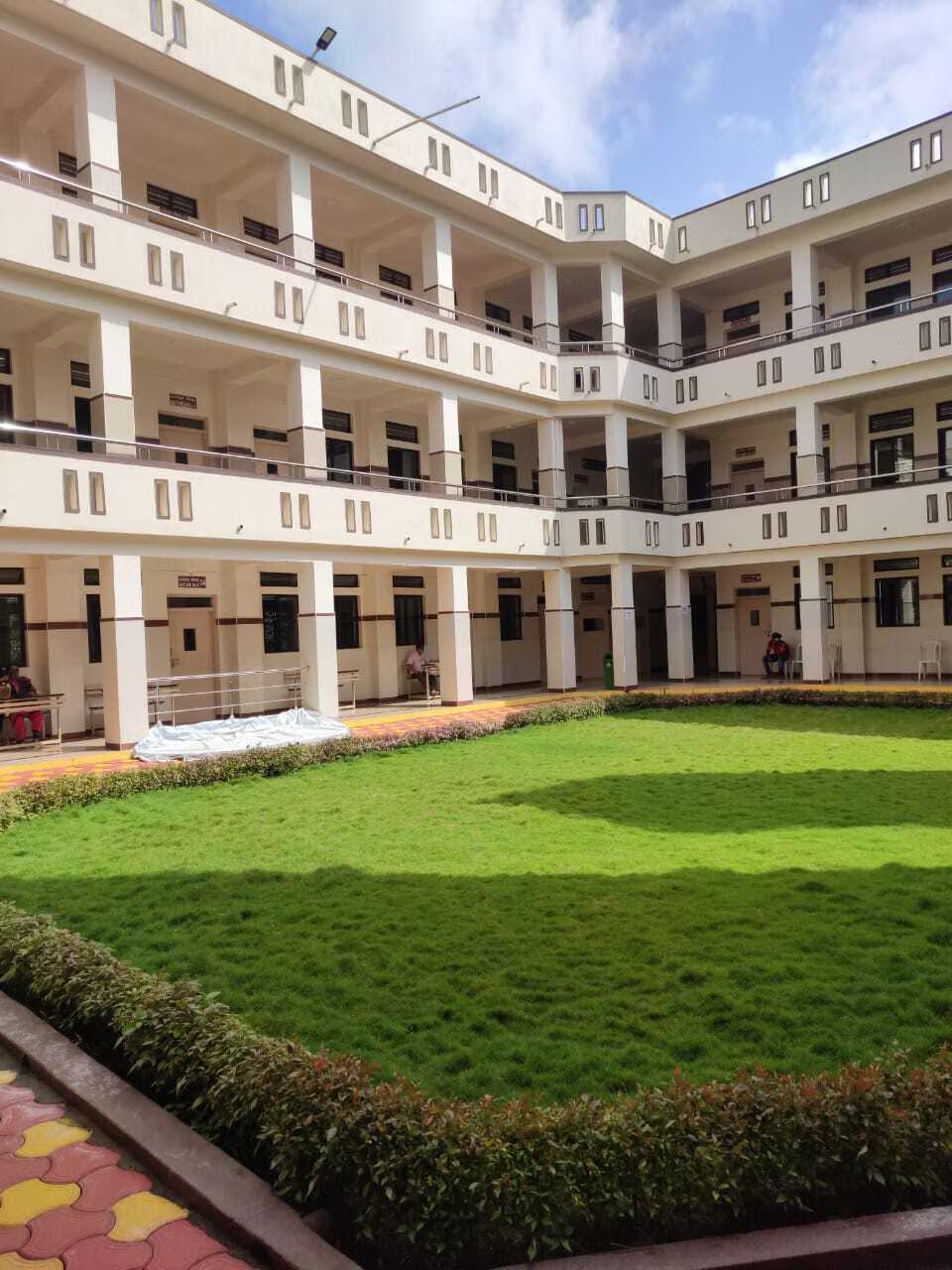
Schools, PU and degree colleges, professional and technical institutes, and research centres on one campus.
What grew from the hill
Institutions that trace back to 1944.
A selection of institutions established under JSS over the decades. Years in saffron are confirmed; the rest are to be supplied.
1944
1957
1961
[YEAR]
[YEAR]
[YEAR]
[YEAR]
[YEAR]
The legacy in numbers
What eight decades have built.
In its own words
“Learning rooted in character, culture and service to the nation.”
The principle that opened the college in 1944 still governs every institution on Vidyagiri today — that education is worthwhile only when it serves the person and the society around them.
Why the history matters
History is a responsibility, not a memory.
For the students who walk this campus each morning, 1944 is not a date in a brochure — it is a standard to live up to. Every founder’s conviction that education must serve, not merely certify, is a promise the trust renews with each new generation it admits.
That is what a history like this asks of those who inherit it: to keep the doors as open, the purpose as clear, and the values as demanding as they were on the first day. The past is settled. What it becomes next is still being written — by the students, teachers and institutions carrying it forward today.